



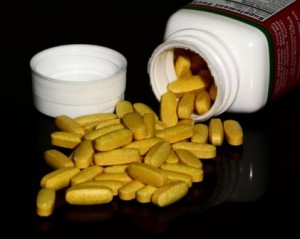
 According to The U.S. Food and Drug Administration (FDA), “Unlike drugs, supplements are not intended to treat, diagnose, prevent, or cure diseases.”
That means supplements should not make claims, such as reduces ‘arthritic pain’ or ‘treats heart disease.’ Claims like these can only legitimately be made for drugs, not dietary supplements.”
“Dietary supplements are not approved by the government for safety and effectiveness before they are marketed,” the FDA warns.
Here are some Common Dietary Supplements:
Acidophilus
Echinacea
Fiber
Ginger
Glucosamine and/or Chonodroitin Sulphate
Minerals
Omega-3 Fatty Acids
St. John’s Wort
Saw Palmetto
Vitamins
According to the FDA, taking some dietary supplements can beneficial to your health, but they also involve risks. The FDA answers some important questions:
Who’s responsible for the safety of dietary supplements?
How can I find out more about the dietary supplement I’m taking?
How can I be a smart supplement shopper?
What should I do if I have a reaction to a dietary supplement?
Visit the FDA’s website for answers to these questions.
More Information
For information on medications and medication management, see the HelpingYouCare® resource pages on
Medications/ Management & Information.
For information on a healthy diet, exercise and other lifestyle factors that promote wellness and prevent diseases, see the HelpingYouCare® resource pages on Wellness/ Healthy Living for Seniors & Caregivers, including:
- Diet & Nutrition: Physical Wellness;
- Exercise: Physical Wellness;
- Sleep, Hygiene, Quit Smoking & Other Healthy Practices: Physical Wellness;
- Activities to Preserve Mental Acuity: Intellectual Wellness;
- Social Interaction & A Sense of Connection With Others: Social Wellness;
- Other Areas of Wellness: Emotional, Ethical/ Spiritual & Vocational Wellness; and
- Healthy Living: Stories of Inspiring Seniors.
_____________
Copyright © 2012 Care-Help LLC, publisher of HelpingYouCare®. All rights reserved.

